


Bot traffic can quietly corrupt your analytics, making “performance” look better or worse than it really is and leading to bad marketing decisions.
Understanding how non-human traffic skews your data is essential if you want to optimize for real users and revenue, not bots.
What Is Bot Traffic in Web Analytics?
Bot traffic is any visit to your website generated by automated software rather than a human user. Some bots are helpful (search engine crawlers), while others are malicious or simply noisy, like scrapers, click bots, or spam bots.
These automated hits show up in your analytics tools just like real visitors unless you actively filter them out.
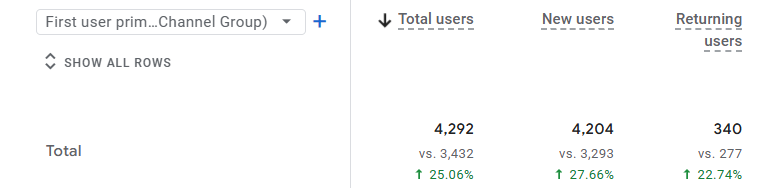
That’s why you can see “growth” in users and sessions without seeing any corresponding lift in leads or sales.
Check out this article from Cloudflare:
What is bot traffic? | How to stop bot traffic
How Bot Traffic Skews Your Key Metrics
Bot traffic doesn’t just add noise; it actively distorts almost every metric marketers rely on.
- Inflated pageviews and sessions: Bots can crawl dozens of pages per visit or hit a single endpoint thousands of times, making your site look far busier than it really is.
- Misleading engagement metrics: Because bots don’t behave like humans, they drive extreme bounce rates (near 0% or 100%), unnatural session durations, and odd pages-per-session patterns.
- Distorted conversion rates: When bots bulk up sessions without generating conversions, your conversion rate drops artificially; spam form submissions and fake signups create the opposite problem.
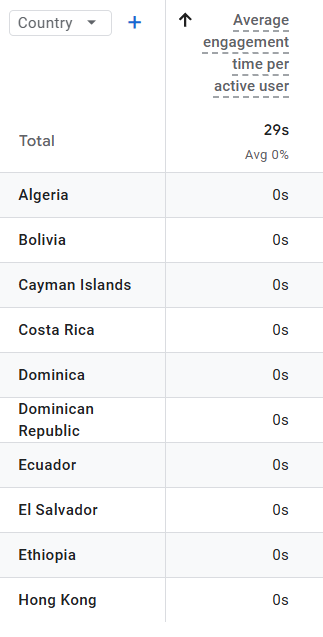
- Corrupted audience insights: Non-human traffic skews geolocation, device, and referral reports, so you may think you’re suddenly popular in a new country or channel when it’s just bots.
- Broken A/B tests and CRO efforts: If bots hit your experiment variants, they inject statistical noise, making you pick “winning” pages or funnels based on fake behavior.
For sites with modest traffic, even a small bot surge can completely overwhelm the signal from legitimate users.
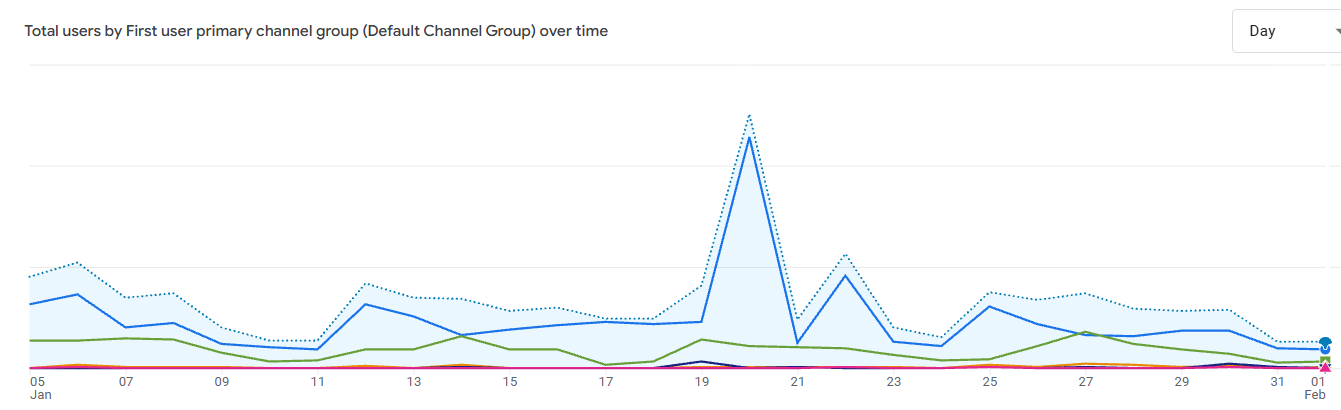
That’s where seemingly random spikes in sessions with no corresponding uptick in leads or revenue are often a red flag.

Business Impact: Why Fake Traffic Leads to Real Losses
When your metrics lie, your strategy suffers. Bot traffic doesn’t just make your dashboards messy; it drives real financial and operational consequences.
- Misallocated marketing budget: You might scale campaigns, keywords, or channels that appear to be working because of bot hits while starving the ones that genuinely convert.
- Higher tool and infrastructure costs: Many analytics, CDP, and optimization tools are priced by volume, so fake visits increase your bill without adding value.
- Slower websites and worse UX: Heavy bot activity can overload servers and APIs, degrading performance for real users and hurting SEO.
- Security and compliance risks: Malicious bots probing your site can target vulnerabilities, scrape proprietary data, or facilitate credential stuffing.
In short, if you’re “optimizing” on contaminated data, your decisions can take you further away from real business outcomes instead of closer to them.
How to Spot Bot Traffic in Your Reports
You don’t need to be a data scientist to see the fingerprints of non-human traffic.
Look for patterns like:
- Sudden traffic spikes that don’t align with campaigns, seasonality, or PR activity.
- Extremely high or low bounce rates from specific countries, networks, or referrers.
- Unusual user agents, screen resolutions, or browsers that don’t match typical customer behavior.
- Sessions with near-zero time on site but many pageviews, or the opposite: long sessions with almost no interaction.
Once detected, bot traffic should be excluded from your core reporting views so that strategic decisions rely on clean, human-focused datasets.
Refocusing on Meaningful Conversion Metrics
Because bot traffic mostly affects top-of-funnel vanity metrics, the safest way to measure success is to anchor your reporting to human, high-intent actions.
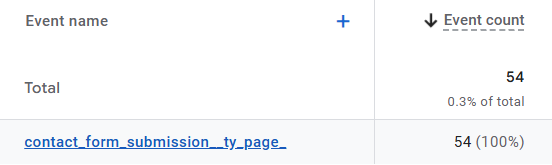
Examples of “metrics that matter” include:
- Phone calls from tracked numbers or click-to-call actions.
- Qualified form submissions (contact, quote, consultation, demo).
- Content downloads (guides, whitepapers, catalogs) that align with your buyer journey.
- E‑commerce transactions and add-to-cart events.
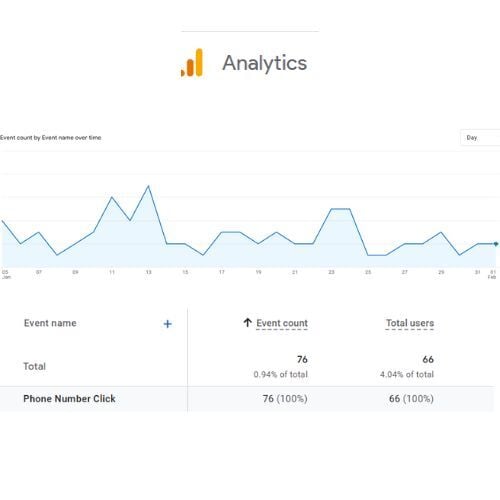
These conversion metrics are far harder for bots to fake at scale and are directly tied to revenue and pipeline.
By using sessions, users, and impressions only as supporting context—and not the main KPI—you protect your strategy from the distortions that bots introduce.
When you prioritize clean, outcome-based metrics over raw traffic, you stop chasing vanity spikes and start optimizing around what actually grows the business: real people taking meaningful actions.