


Mobile is no longer a separate channel in B2B—it is where your buyers discover, compare, and short‑list vendors long before a salesperson is looped in. A slow or clunky mobile experience quietly disqualifies you from deals, even when your solution is the best fit.
Your prospects search from phones between meetings, read case studies on tablets at home, and forward links to colleagues from their mobile email apps. If your website, content, and calls‑to‑action are not optimized for mobile, you are paying for clicks that never have a chance to turn into customers.
The good news: you do not need a massive redesign to make meaningful gains. A focused set of technical and UX improvements—guided by data, not guesses—can dramatically increase the number of mobile visitors who become leads and, ultimately, customers.
Below are five practical ways to improve your B2B mobile marketing so you can attract the right visitors, keep them engaged, and convert more into opportunities.
1. Speed up mobile pages (AMP optional)
When it comes to mobile, speed is non‑negotiable. Most B2B buyers will abandon a page that takes more than a few seconds to load, especially on a cellular connection. Every extra second costs you attention, trust, and pipeline.
You have two primary options:
- Build a fast, responsive site that loads quickly on all devices
- Use AMP (Accelerated Mobile Pages) for certain content types, like blogs or news
For most B2B companies, the priority is a fast, responsive main site that meets or beats modern performance standards. AMP can still be useful for content‑heavy blog posts, but it is no longer the default answer for every page.
Focus on these speed fundamentals:
- Aim for load times under 2–3 seconds on a typical 4G/5G connection
- Minimize or defer heavy scripts and third‑party trackers
- Optimize above‑the‑fold content so users see something useful quickly
- Reduce page weight by optimizing images, fonts, and video
If you are already using, or considering, AMP for your blog content, make sure your AMP templates preserve essential branding and clear calls‑to‑action. Speed alone does not help if visitors cannot easily understand who you are or what to do next.
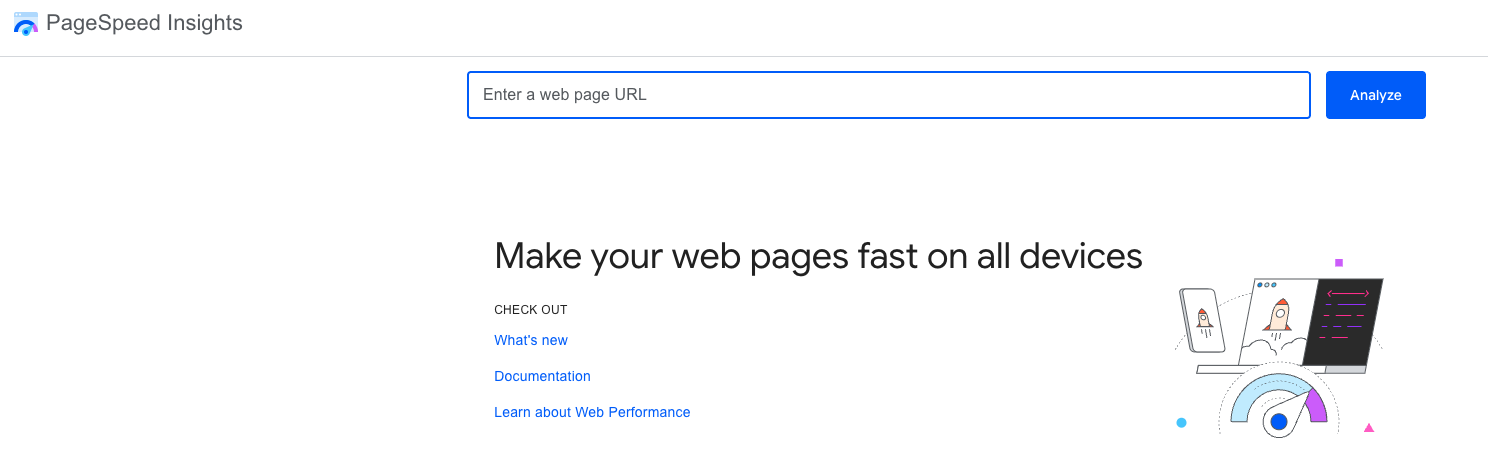
As part of our technical SEO audits, we evaluate your mobile performance using tools like Lighthouse and core web vitals, then prioritize fixes that have the biggest impact on your revenue—such as speeding up key product pages, landing pages, and lead‑generation content.

2. Optimize images for mobile performance and clarity
Images play a major role in how quickly your mobile site loads and how credible your brand appears. Large, uncompressed images are one of the most common—and avoidable—reasons B2B sites are slow on mobile.
Start with these image best practices:
- Use high‑quality, but properly compressed images so they look sharp without bloating page size
- Resize images to the maximum size they need to display on mobile and desktop, rather than uploading huge originals
- Use next‑gen formats such as WebP or AVIF where possible to significantly reduce file size without sacrificing quality
- Implement lazy loading so images below the fold load only when visitors scroll down
Do not forget context and clarity. On a small screen, your hero image and headline must work together to quickly communicate what you do and who you help. Avoid generic stock imagery that adds weight but no meaning.
On recent client projects, we have seen simple image optimization (resizing, compressing, switching to next‑gen formats, and lazy loading) cut page weight by 30–60%. That translates into faster load times, lower bounce rates, and more mobile visitors sticking around long enough to convert.
3. Make forms truly mobile‑friendly (and conversion‑focused)
Forms are where mobile visits turn into leads, demos, and conversations—or where they silently drop off. Many B2B sites still use desktop‑focused, multi‑field forms that are painful to complete on a phone.
To improve mobile form performance:
- Ask for only what you need to route and qualify the lead initially (you can gather more details later)
- Use mobile‑friendly input types (email, tel, number, date) so the right keyboard appears automatically
- Make buttons large, thumb‑friendly, and high‑contrast
- Use clear labels and error messages that are easy to read on small screens
- Consider multi‑step (wizard‑style) forms for more complex offers so users are not overwhelmed at first glance
Instead of guessing, run simple A/B tests on your key mobile forms. Test:
- Shorter vs longer forms
- Single‑step vs multi‑step
- Different button copy (for example, “Schedule my strategy call” vs “Submit”)
Track not only how many people start and complete the form, but also the quality of the leads they generate. Our team often pairs changes in form design with analytics dashboards so you can see exactly which mobile form variants produce more qualified opportunities.
.jpg?width=500&height=500&name=Keep%20Forms%20Simple%20Enough%20to%20Fill%20Out%20With%20One%20Thumb-analytics%20that%20profit%20%20(1).jpg)
4. Make calls‑to‑action thumb‑friendly
On mobile, your calls‑to‑action must be easy to see, easy to tap, and clearly connected to the next step in the buyer’s journey. Tiny links or buried buttons force users to pinch, zoom, and hunt—most will not bother.
Start with the essentials:
- Make your primary phone number clickable wherever it appears, especially in the header and contact sections
- Place prominent “Request a quote,” “Schedule a demo,” or “Talk to an expert” buttons above the fold on key pages
- Ensure buttons are large enough to tap comfortably with a thumb and have enough spacing around them
- Avoid placing important CTAs too close to the screen edges or other clickable elements
Depending on your industry and audience, you may also benefit from additional mobile‑friendly actions:
- Click‑to‑text/SMS or chat for quick questions
- “Email this page” or “Share with team” options for buyers who need internal approvals
- Persistent (sticky) CTAs or contact bars on longer pages
Every key mobile action—click‑to‑call, click‑to‑text, quote requests, demo requests—should be tracked as a conversion event. That way, you can see which pages and campaigns are driving real conversations, not just traffic.
5. Review your site like a buyer on a smartphone
The best way to understand your mobile experience is to use it the way your buyers do. Put yourself in your ideal customer’s shoes and review your site on an actual smartphone, not just a desktop with a resized browser window.
Use this quick 10‑minute mobile audit:
- Can I understand what the company does and who it serves within 3 seconds?
- Is the primary call‑to‑action visible without scrolling?
- Can I read the copy without zooming or squinting?
- Are navigation and menus easy to tap with my thumb?
- Do images or pop‑ups block important content?
- Is there a fast, obvious way to contact sales or request pricing?
Take it a step further and ask real customers or prospects for feedback. After a call or meeting, you can add one simple question to your follow‑up email: “How was your experience using our website on your phone?” The answers are often revealing and give you a prioritized list of improvements from the people who matter most.
If you see issues but do not have the time or in‑house expertise to fix them, this is where a focused technical and content audit can quickly surface high‑impact, low‑effort changes.
Bonus: Align mobile with your B2B buyer journey
Mobile optimization is not just a website project—it is a customer journey project. Your buyers use mobile at multiple points along their path to purchase:
- Early‑stage research: searching for problems, solutions, and vendors
- Mid‑stage evaluation: reading case studies, comparing options, and sharing links with colleagues
- Late‑stage decision: revisiting your site, checking pricing or implementation details, and contacting sales
To support this journey:
- Ensure key content—case studies, product overviews, ROI summaries, comparison pages—is easily readable and shareable on mobile
- Use mobile‑friendly formats like short videos, checklists, and summary pages, not only long, dense PDFs
- Make sure your email, social, and paid campaigns all drive to mobile‑optimized landing pages with clear, relevant CTAs
- Track which mobile content and pages are most likely to precede high‑value actions (demo requests, quote requests, direct calls)
This is where our customer journey mapping and analytics work comes in. We help you identify the critical mobile touchpoints and optimize them so your marketing and sales teams are rowing in the same direction.
Measure what matters with analytics and Databox
You cannot improve what you do not measure. Many B2B companies look at overall website performance but never isolate mobile, which hides big opportunities.
At a minimum, make sure you can answer these questions:
- What percentage of your traffic comes from mobile vs desktop?
- How do mobile conversion rates compare to desktop on your key pages?
- Which mobile pages have the highest exit or bounce rates?
- How often are visitors tapping key mobile CTAs like click‑to‑call, quote requests, or demo requests?
Modern analytics tools (including GA4) and dashboards like Databox make it easy to track mobile‑specific metrics that actually tie to revenue. We often build simple views that highlight:
- Mobile sessions and engagement for top landing pages
- Mobile form completions and conversion rate
- Click‑to‑call and click‑to‑text events
- Mobile page speed and core web vital scores
With that visibility, you can prioritize changes that move the needle—like fixing a slow but high‑traffic blog post that should be a lead generator, or redesigning a mobile landing page that gets lots of visits but few conversions.
Do you really need an app?
You may be wondering if your B2B company needs a mobile app. For most, the answer is no—a fast, mobile‑optimized website that supports your buyer journey is a much better first investment.
Consider a dedicated app when:
- Your customers need to perform complex, recurring tasks (ordering, scheduling, field service)
- You offer tools that teams use daily in the field or on job sites
- You need offline access or integrations that a website cannot easily provide
Even then, the foundation remains the same: a website that makes it easy for new prospects to discover your company, understand your value, and take the next step from their phone.
Turn mobile clicks into customers
Improving B2B marketing on mobile is not about chasing the latest trend. It is about making it easier for real buyers to understand you, trust you, and start a conversation—on the devices they actually use.
When you:
- Speed up mobile pages
- Optimize images and forms
- Make CTAs thumb‑friendly
- Align your content with the buyer journey
- Measure mobile performance with the right metrics
…you stop wasting ad spend and SEO effort on visitors who were never going to convert—and start turning more of those mobile clicks into customers.
If you would like a data‑driven review of your mobile performance, we can run a technical SEO and mobile conversion audit, build a clear Databox dashboard, and provide a prioritized roadmap of actions to make the biggest impact on your pipeline.